
Wondering how to start a skincare line without wasting money on the wrong formula or a room full of unsold stock? You are not alone.
This guide walks you through the nine steps we see successful founders follow. It runs from finding your niche to picking a maker, approving samples, clearing the rules and going live.
Each step lists the choices to make, the papers to ask for and the mistakes to avoid. That way your skincare line reaches the market faster and on budget.
What Does It Take to Start a Skincare Line?
To start a skincare line, you need four things. First, a clear customer. Second, a product they want. Third, a maker that can produce it the same way every time. Finally, the papers to sell it legally where you live.
You do not need your own lab or plant. Most new brands work with a private label skincare manufacturer. The factory supplies tested formulas, packs and production, while you own the name, the design and the customer.
Step 1: Define the Niche Your Skincare Line Will Own
The brands that last solve one clear problem for one clear person. “Clean skincare for everyone” is not a niche. However, “barrier repair for sensitive skin in hot, humid weather” is.
Choose one skin concern and one customer
Pick the concern you know best, such as acne, dark spots, dryness, sun care or ageing. Then describe your buyer by age, budget, shop and climate.
Write a one-page brand brief
Your brief is the page every supplier will work from. So keep it short and easy to share.
- Who you sell to and the main skin concern
- Your hero product, plus two ideas for later
- The claims you want to make, such as “hydrating” or “for sensitive skin”
- Ingredients you want, and ingredients you want to avoid
- Target shelf price and where you will sell
- The countries you will sell in during year one
Example brief for a first product
Here is a simple example. “A light gel moisturiser for oily, acne-prone skin, aged 18 to 30, sold online in Southeast Asia. Must feel weightless in heat. No added fragrance. Shelf price under 20 dollars.” With a brief like this, a factory can suggest a base formula in days, not weeks.
Skincare Line Ideas: Niches to Consider When You Start
Not sure which niche to pick? These are routes many founders choose when they start a skincare line, because each one has a clear buyer and a simple story.
- Barrier repair for sensitive or over-treated skin, built around ceramides and soothing actives.
- Daily sun care that feels light and leaves no white cast on deeper skin tones.
- Men’s minimal routines with two or three products that save time.
- Scalp and hair-growth care, which sits between skincare and hair care.
- Halal or vegan skincare for shoppers who check every label.
- Kids’ and baby care with gentle, low-fragrance formulas.
Pick the one closest to your own story and audience. In fact, founder fit often matters more than the size of the trend.
Step 2: Launch Your Skincare Line With One Hero Product
One strong product keeps your first order small and your marketing clear. It also puts all your early reviews on one page.
If you start a skincare line with one product, every photo, video and ad can tell the same story. That focus makes your budget go much further.
Serums, cleansers and sunscreens are popular first picks, because buyers get them fast and buy them again. For example, a face serum lets you build a story around one active. A sunscreen, on the other hand, is used every single day.
Step 3: Pick the Right Manufacturing Model
How you work with a factory decides your cost, your speed and how unique your skincare line can be. The four common routes are compared below.
| Model | Who owns the formula | Speed to market | Starting order | Best for |
|---|---|---|---|---|
| White label | Maker (unchanged) | Fastest | Lowest | Testing demand with a ready product |
| Private label / ODM | Maker’s base, tuned for you | Fast | Low | Most first-time founders |
| OEM | You supply the formula | Moderate | Medium | Brands that already own a formula |
| Custom formula | Made for you | Slowest | Higher | Claim-led products that must stand out |
Why private label suits most new brands
Private label lets you begin with formulas that have already passed shelf-life tests. Then you tune the texture, scent, colour and key actives. As a result, it cuts months from the project and lowers the minimum order.
So if you start a skincare line on a tight budget, private label is usually the safest first move. Read our full guide to OEM vs ODM vs private label for the contract and ownership details.
Step 4: Find and Vet a Skincare Manufacturer

The right partner matters more than the lowest quote. So shortlist three makers and send each one the same brief.
Questions to ask every skincare manufacturer
- Which quality system do you follow? Can I see the certificate?
- What is the minimum order with stock packs, and with custom packs?
- How many sample rounds are included? What do extra rounds cost?
- Which papers do you supply, such as a COA, a safety data sheet, an ingredient list and a shelf-life report?
- Who owns the formula once it is tuned for my brand?
- Can you source, print and fill the packs, or do I need another supplier?
A useful benchmark is ISO 22716. It is the global guideline for making, checking, storing and shipping cosmetics. Therefore, ask every factory whether it follows it.
Before you start a skincare line with any factory, also read our guide on how to find a private label skincare manufacturer. It includes a score sheet you can reuse.
Step 5: Sample, Test and Refine Your Formula
Expect two or three rounds of samples before you approve a formula. Each round should answer one question: feel, scent, results or pack fit.
- Direction round: compare two or three base formulas with your reference product.
- Refinement round: adjust the actives, scent, colour and skin feel.
- Final round: approve the formula inside the real pack you plan to sell.
Tests to finish before production
Ask for a shelf-life test, which shows how the formula holds up over time and heat. Also ask for a pack test, which shows how it behaves inside your bottle, jar or tube. In addition, some markets expect a safety review.
Most founders who start a skincare line approve the formula in round two or three. If you need more rounds, your brief probably needs more detail.
How to give useful sample feedback
- Test each sample for at least a week, on the skin type you are selling to.
- Score feel, scent, absorption and results from 1 to 5, so the lab sees what to change.
- Send one combined reply per round instead of many small messages.
- Keep photos and notes, because they will help when you write product copy later.
Clear feedback is the quickest way to start a skincare line on time. Vague notes such as “make it nicer” cost you a full extra round.
Step 6: Choose Packaging and Design Clear Labels
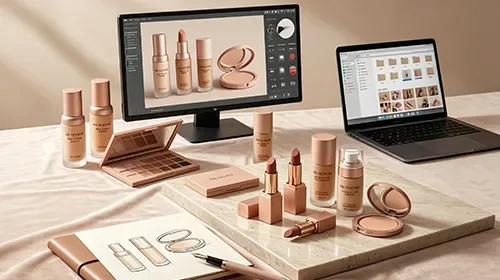
Packaging is often the biggest swing in your budget and timeline. That is why most brands start with stock packs and add their own print.
| Factor | Stock pack + your logo | Custom mould |
|---|---|---|
| Lead time | Shorter | Longer (mould making and trials) |
| Minimum order | Lower | Higher |
| Upfront cost | Low | Mould fees plus larger runs |
| How you stand out | Print, colour and finish | A unique shape |
What every skincare label needs
Rules vary by country. Still, most markets expect the product name, net quantity, the full ingredient list, the brand owner’s name and address, a batch number and a shelf-life mark.
In the US, the FDA Cosmetics Labeling Guide sets out the federal rules. When you start a skincare line, check your label against it before you print. See our packaging and design options for bottles, jars, tubes and boxes we can source and fill.
Step 7: Follow the Rules in Every Market You Sell
This is the step founders most often leave too late. So pick your launch markets early, because they shape your ingredients, labels and papers.
| Market | Main rule | What the brand must do |
|---|---|---|
| United States | Modernization of Cosmetics Regulation Act (MoCRA) | Factories register with the FDA and renew every two years. The brand lists each product, with its ingredients, and updates listings every year. |
| European Union | Regulation (EC) No 1223/2009 | Name an EU Responsible Person, keep a product file with a safety report, and notify the product in the CPNP before sale. |
| Great Britain | Cosmetic Products Enforcement Regulations 2013 | A UK-based Responsible Person notifies each product through the SCPN service before it goes on sale. |
If you start a skincare line for the US, read the FDA page on registration and listing of cosmetic product facilities and products. For Europe, see the EU Cosmetic Products Regulation. For Britain, see how to submit a cosmetic product notification.
Your maker supplies the factory papers. Our guide do you need a license to sell skincare has a market-by-market checklist.
Step 8: Plan the Budget to Start a Skincare Line
Your startup budget has more lines than the factory bill. So list every cost before you commit to a quantity.
| Cost item | What drives it | How to keep it lean |
|---|---|---|
| Formula and samples | Number of rounds, custom actives | Start from a tested base formula |
| Packaging | Stock or custom, print, minimum order | Use stock packs with your print |
| Production | Order size, fill size, steps | Run one formula in two sizes |
| Testing and papers | Target markets and claims | Pick launch markets early |
| Shipping and duties | Volume, route, trade terms | Ship all products together |
| Brand and marketing | Design, website, content, ads | Build your audience during production |
Keep the first order realistic
A first batch that sells out puts you in a stronger spot than a big order sitting in storage. Our low MOQ manufacturing guide and our skincare line cost breakdown show how to size the first run.
Step 9: Launch, Sell and Reorder
Build your website, photos and pre-launch list while production runs. That way you can sell the day the stock lands.
Where to sell when you start a skincare line
| Channel | Why it works | Watch out for |
|---|---|---|
| Your own website | Full margin and direct customer data | You must bring all the traffic |
| Marketplaces | Shoppers are already searching | Fees, price pressure and listing rules |
| Social and live shopping | Fast reach with video and creators | Results can swing week to week |
| Salons, spas and boutiques | Trust from a local expert | Smaller volumes and slower payment |
| Retail chains | Big volume once listed | Long lead times and higher minimums |
- Collect reviews from early buyers and show them on the product page.
- Track sales every week and reorder before stock runs out, since factory slots fill up.
- Use buyer feedback to choose the second product in your skincare line.
When you reorder, keep the same formula code and the same approved pack. As a result, every batch matches the one your buyers already love.
Flowchart: How to Start a Skincare Line Step by Step
Use this flow as your project plan. Each step should end with a clear sign-off before the next one begins.
- 1BriefBuyer, concern, hero product
- 2ModelWhite label, ODM, OEM or custom
- 3SupplierShortlist and vet three makers
- 4SamplesTwo or three rounds
- 5TestingShelf life and pack fit
- 6PackagingArtwork and label check
- 7RulesRegister and notify
- 8ProductionQC at every stage
- 9LaunchSell, review, reorder
Watch: How a Skincare Line Is Made
 1:32
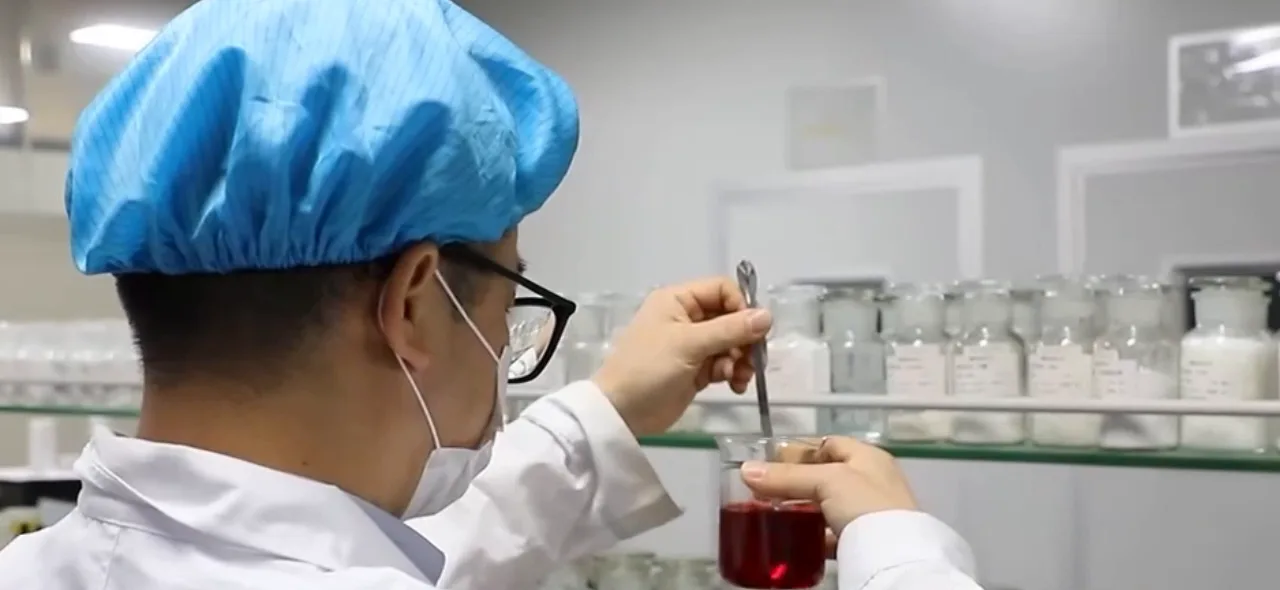
Seeing the process helps you ask better questions. Notice the clean-room gowns, the batch mixing and the in-line checks. Your product will pass through the same stages. Learn more about our factory.
Common Mistakes When You Start a Skincare Line
Most of these mistakes happen when founders start a skincare line in a rush. Fortunately, each one is easy to avoid.
- Launching too many products at once, which spreads your budget and your message thin.
- Picking a supplier on price alone, without checking its quality system and papers.
- Skipping the pack test after you change a bottle or pump.
- Making claims you cannot back up, such as drug-like claims on a cosmetic.
- Leaving the rules until the end, which can force you to reprint labels.
Avoid these five and your skincare line will be ahead of most first launches. For the money side, read is a skincare business profitable.
Frequently Asked Questions About Starting a Skincare Line
How much does it cost to start a skincare line?
It depends on the product, the packs and the order size. A private label formula in stock packs keeps upfront costs lowest. Custom formulas and custom moulds raise them. Budget for samples, packs, production, tests, shipping and marketing.
Can I start a skincare line with no experience?
Yes. Many founders start a skincare line with private label. The maker supplies a tested formula, production and papers, while the brand focuses on the buyer, the design and sales.
How long does it take to start a skincare line?
It depends on sample rounds, pack lead times and the rules in your market. A private label product in a stock pack is the fastest route. Custom formulas and custom packs take longer.
Do I need a license to sell skincare products?
Most markets do not issue one general licence, but many require registration or a product notice. The US requires FDA registration and product listing under MoCRA. The EU and UK require a Responsible Person and a product notice before sale.
What is the best first product when you start a skincare line?
Choose a product your buyer uses daily and understands quickly, such as a serum, cleanser or sunscreen. One strong hero product is easier to market than a full range.
References
- Registration & Listing of Cosmetic Product Facilities and Products — U.S. Food and Drug Administration
- Cosmetics Labeling Guide — U.S. Food and Drug Administration
- Cosmetics & U.S. Law — U.S. Food and Drug Administration
- Regulation (EC) No 1223/2009 on cosmetic products — EUR-Lex, European Union
- Cosmetics legislation — European Commission
- Submit a cosmetic product notification — GOV.UK – Office for Product Safety and Standards
- ISO 22716:2007 Cosmetics — Good Manufacturing Practices (GMP) — International Organization for Standardization
- Private label — Wikipedia
Regulatory summaries are for orientation only. Confirm current requirements with the authority or a regulatory adviser in your target market.